“As an aboveboard kind of guy he did what he thought was right. Besides, he had always been kind to me. When I was in need of a job he hired me as a clerk; when I did well as clerk he gave me a shot at reporting. It wasn’t his fault I failed.”
In short, except for his standard for writing he had nothing against the man, “a professional in every respect – and also a guy with a heart.”
Judging the editor’s performance in lopping off Harry’s head, it seemed a fair assessment. He handled the chore discreetly in a kindly show of compassion contrived to lessen the pain (“an economy move, Harry my boy, not to be considered a stain on your record”), and while Harry respected the gesture he knew in his heart he’d been pole-axed – and so did his fellow reporters: bad luck for Harry, a nice enough guy but who did he think he was kidding? Moonlight in a cabaret band? A lousy cub reporter? New on the waterfront beat?
A nervy kid, that Harry…
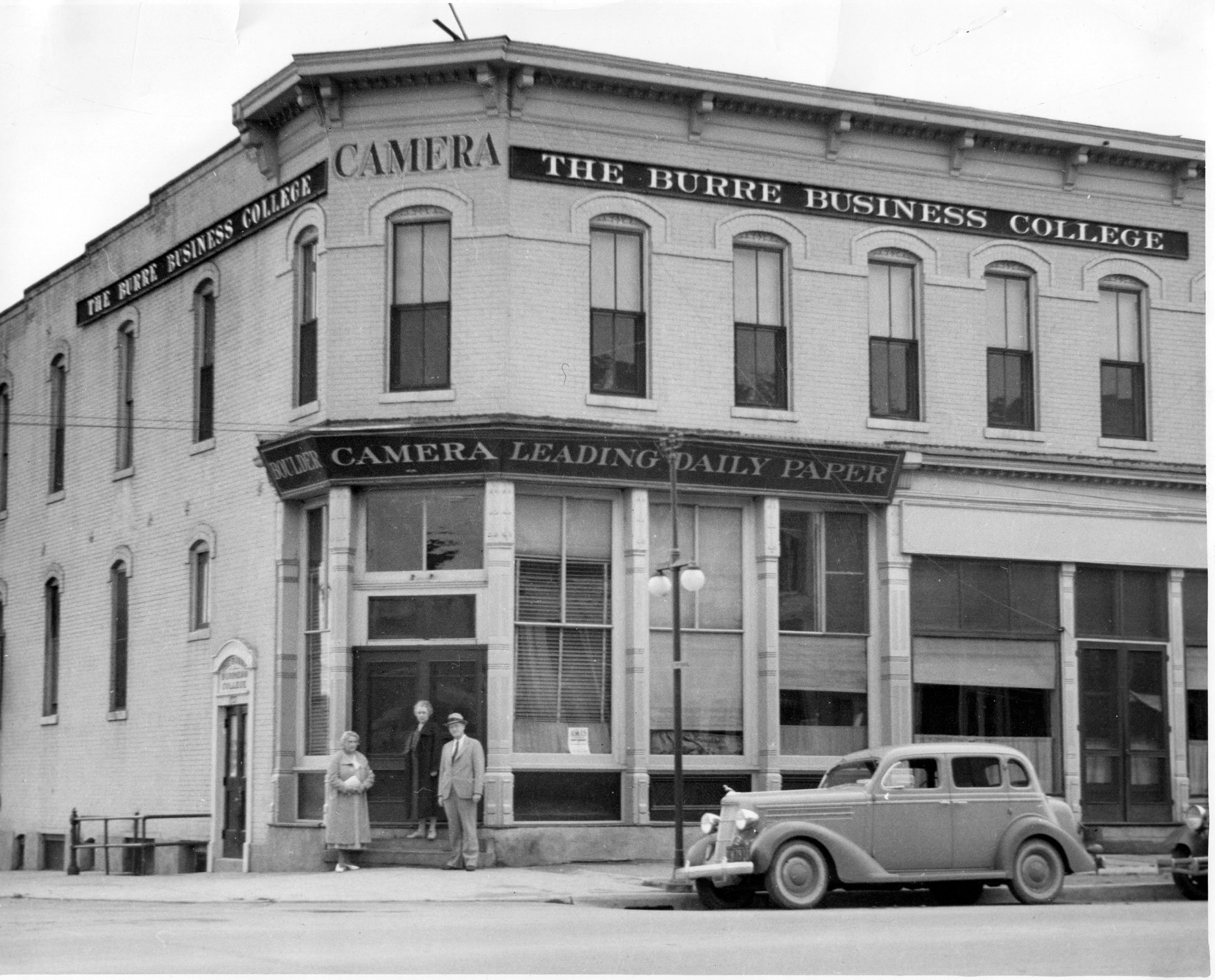
The nervy kid had arrived in San Diego from Boulder, Colorado in the spring of 1910 with his parents and his brother and sisters, Earl, Floretta and Beth, and when the family had settled in and the kids had enrolled in school he’d turned to the important business at hand: finding a part time job. Though provided food and clothing, lodging and loving care, for extra spending money the kids were on their own. Which was not a problem for Harry who at the age of ten had earned his nickels and dimes hawking The Daily Camera in Boulder, Colorado, which, though it carried no photographs was the only paper in town and thus an easy sell. The clear soprano voice that had earned him a spot in the choir made him a star in sidewalk sales before it dropped to alto, and when promoted to printer’s devil (apprentice/errand boy) he was paid in dollar bills instead of nickels and dimes and had plenty of money to spend. Which he did – on ice cream sodas and sweets, county fairs and church bazaars and the circuses that played the town.
But now in San Diego, a husky baritone, as big as a varsity fullback, he regretted his spendthrift ways. He needed a bike to get around and he hadn’t the funds to buy one. The vast new world before him begging to be explored was too big to be covered by foot, there were so many places to visit and so many things to see: the ocean, the harbor, the islands across the bay where men were testing their flying machines, where rich people stayed in a grand hotel and others stayed in tents; and where kids could ride on a carousel for only a nickel a ride. Yes, he certainly needed a bike.
There were three big dailies in town and he was sure he would land a job. And the pay would be better too, in a town the size of this one. He would be wise in spending his money. First he would buy a bike. Then he would buy a camera – he’d always wanted a camera. He would ride about on his bike looking for things to shoot. And drums; he was good on the drums; had a knack and a fine sense of rhythm. With proper equipment he bet he could play in a band. But he needed a better set; his were hand-me-downs, and not too good to begin with.
He applied at the newspaper plants – The Union, The Evening Tribune, and The Sun – and got a job at The Sun helping the mail room clerk after classes each day. If he did well in his limited time he would be given a full time job during his summer vacation. He got the summer job; put in extra hours; pushed for additional duties and when he proved he could handle the chores the editor upped his pay. Time went by, he had his bike and camera; had put some money down on a brand new set of drums. He’d been across the bay to see the flying machines, the big hotel and a place they called Tent City. And, feeling foolish as big as he was, he’d wasted a couple of nickels riding the carousel. After he’d bought the camera – a late model Brownie that used convenient film rolls instead of the mail-away cartridges – he’d gone across the bay to shoot the aeroplanes. Got as close as he dared and when a plane flew overhead clicked the shutter, clicked it again, and went back to town to have the film developed. One of the negatives was blank and only part of the plane could be seen on the other. He’d rushed it, he thought. Wasted a roll of films. He would have to improve his technique.
He returned to school in the fall but continued to work at The Sun. At the end of each day he would bolt from the classroom, hop on his bike and speed to his job at the paper. Though his hours and pay were reduced he had adequate money for personal use and even helped out at home. With his job and his bike and his camera and drums, things were going well except in the halls of learning. He had fallen behind in his studies and was facing an extra year. It was a thought he brushed aside while looking ahead to summer.
He did better than ever that summer. Having learned to type he took over the minor chores – tables, listings and briefs – previously assigned reporters. This boosted his stock on the paper. Still, the specter of school hung over his head as the end of summer approached. Another year of boredom. But he would have to stick it out; he owed it to his parents.
Perhaps because he was big for his age, friendly, outgoing and eager, had excelled in his clerical duties, and there was a vacancy on the staff he was offered the full time as “cub reporter/clerk.”
Though painful at the time he could later say, having become a star in a closely related field, “it’s just as well it happened.” And he explained his faulty thinking in taking the job with the cabaret band. His elevated status had required expenditures he hadn’t expected and fifteen dollars a week was no longer that exciting.
It had been called to his attention that others in the newsroom switched suits from time to time, wore laundered shirts and elegant ties and sometimes shined their shoes “and unless you want to continue disgracing the news room, Harry, you ought to consider improving your wardrobe.”
It was true; he’d been a disgrace to the paper. And to think he’d been dating his girl in the suit he wore on the waterfront beat. The visit to the clothing store – he selected the exclusive men’s shop at Fourth and Broadway after briefly considering the “fire sale” in a warehouse south of town – cut into his savings account, but the clothes he bought – “Chesterfield” suit, high button shoes, spats, ties, shirts, and a hat you could wear with the brim pulled down – astonished his fellow reporters, caused his sources to blink, and made his girl proud.
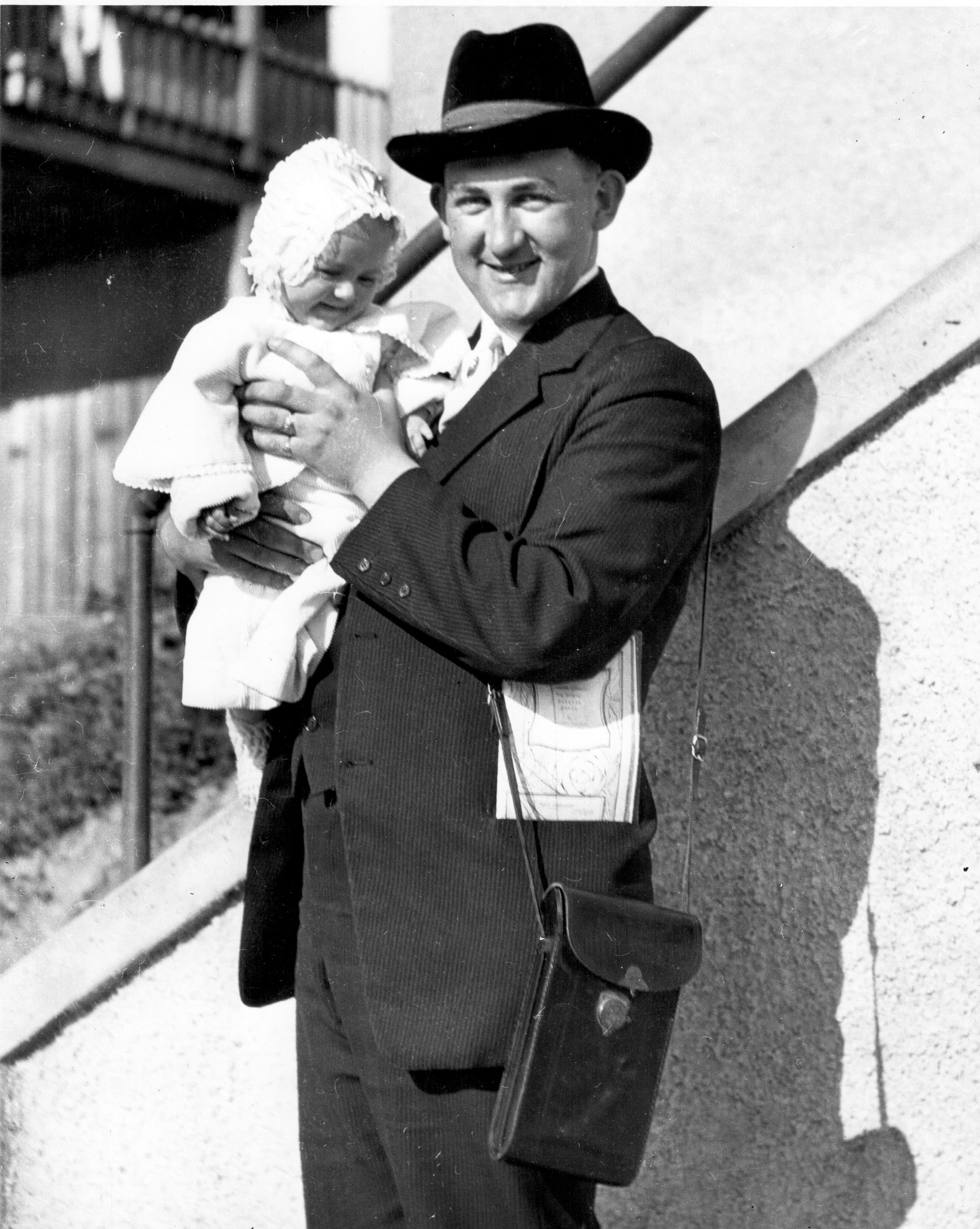
His hobbies had also been a drain. Music and photography had grown in importance to him. He liked to impress his friends with his pictures and show off his skill on the drums. Only hobbies now, some day they would pay for themselves. He had mastered the use of his Brownie and was getting acceptable pictures – and spending more for supplies. But his camera, the photo shop owner said, was suitable only for amateurs; professionals use better cameras, cameras with superior lenses. He had one in stock, a folding Kodak. Harry made a down payment.
He was also making payments on a brand new set of drums and an instrument of Mexican heritage called a marimbaphone. He had mastered both and had wondered if he could get a job with one of the bands in town. He played the drums as well as any performer he had seen, and no one on this side of the border played a marimbaphone. He could work a couple of nights a week and weekends without neglecting his job. And so he shopped his talent around and after a turn down or two caught on with a band which though small had steady engagements. The pay wasn’t much but the tips added up and in a matter of weeks he had more than doubled his income. He improved his shabby wardrobe, paid off his debts and expanded his social life, and when he could find the time he chased around taking pictures. The thought that it might have been wiser to hone his writing skills never occurred to Harry, things were going so well.
That’s when Fate, lurking behind with the hatchet, stepped in and delivered the blow.
Shortly before he was fired a lively debate in the newsroom brightened the day of the newsmen. A deskman, impressed by Harry’s clothes, wondered aloud how Harry, a rookie reporter, could afford a wardrobe far beyond the means of the guy in charge of the desk.
“Easy,” said Harry. “I make more money than he does.”
In presenting the evidence supporting his claim he won whistles and cheers for candor and winces and groans for tact. “Eighteen bucks at the paper, twenty with the band and fifteen or so in tips beats his lousy forty a week” was the way he presented his case and no one challenged the numbers, not even the city editor –“the guy in charge of the desk” – when told of Harry’s disclosure.
Some said Harry’s big mouth had sealed his fate. Others said it had nothing to do with the sacking. Harry took the middle ground view: while it did nothing to delay his departure it wasn’t the primary reason. Quitting school was his biggest mistake, taking a job beyond him; wasting his time in a cabaret band, chasing about with the camera instead of improving his writing – those were the things that polished him off. Short sighted thinking and he’d had to pay the price. This assessment by Harry did nothing to lessen the pain. Getting the job had boosted his image and was to have lasted a lifetime. He couldn’t go back to school; old as he was he’d be embarrassed. He had never felt as low. He likened himself to the guy in a silent movie he’d seen: spread eagled on a wagon wheel and left to die in the desert.
But after a couple of days he actually felt relieved; glad to be out of the newsroom, away from the big word guys – reporters, deskmen and editors, some of them college men – whose chatter was hard to follow. Now he could stop pretending and find his place in a world he knew. Like music.
He still had his job with the band. But he wasn’t impressed by the way it was managed. The leader was set in his ways. Old fashioned. Afraid to liven things up. He wondered if he could do better by forming a band of his own. There was plenty of talent around; competent, young musicians. If he could scare up a few and form a modern band –
In a fit of entrepreneurial zeal he assembled a group, whipped it in shape and began securing engagements. It worked at first. He had to pay his musicians, furnish the scores and provide the equipment to make a show, and though he was younger than most in the band he thought he managed it well.
What he failed to manage was his marriage, a marriage he and his girl, the daughter of a postal clerk, had rushed into while still in their teens. And though the parting was friendly the hurt in his heart was intense. He was to blame, he knew. He had been spending all day on the newspaper job and some of his nights with the band. And he’d been running about with his camera whenever he found time.
He hadn’t considered the emotional needs of a caring young wife – or those of a baby daughter.