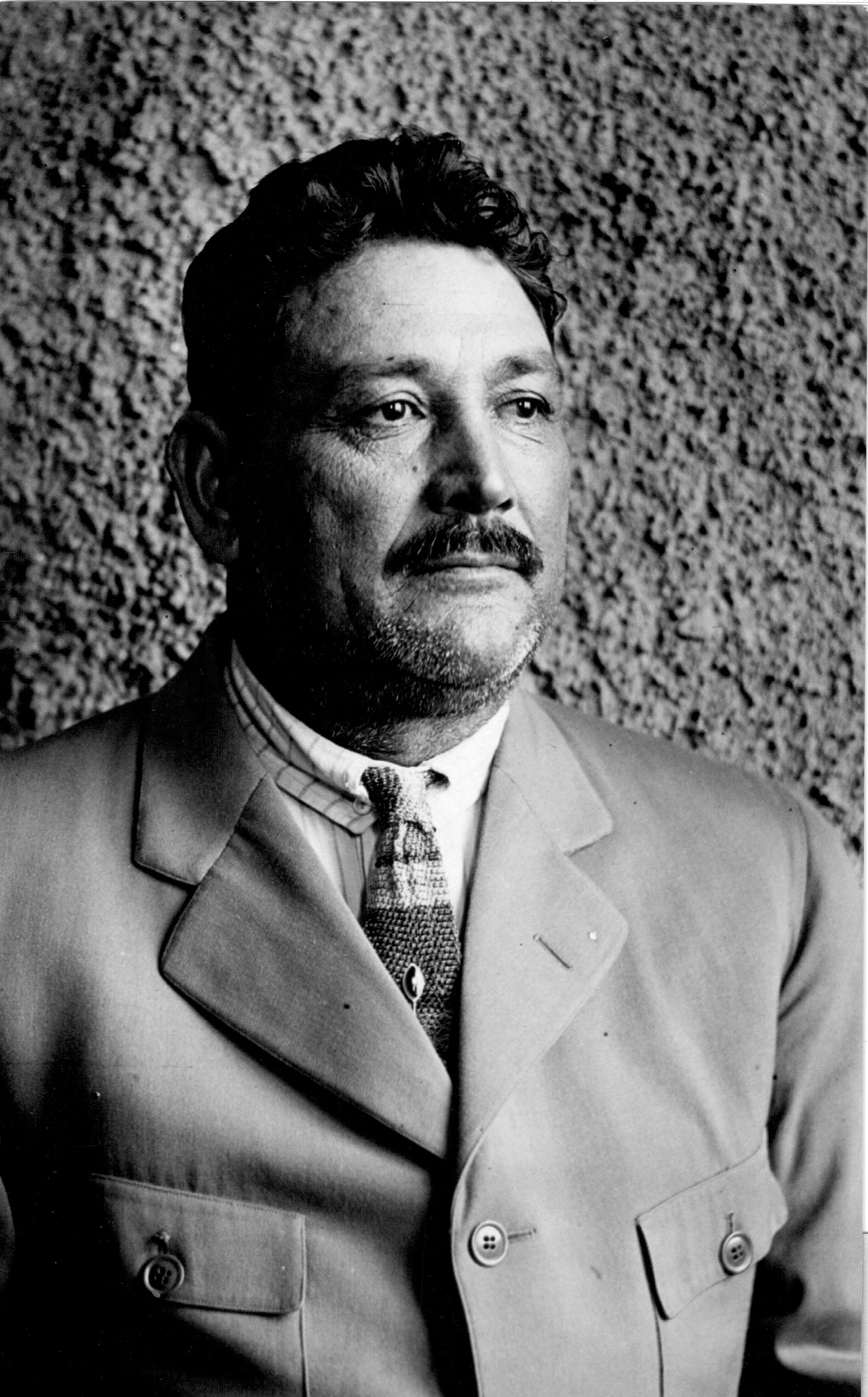
The light from the open window fell on the prisoner’s face. The guards had positioned him there at Harry’s request. Perfect, he thought; no need to use the flash gun. He studied the subject and was startled to see that half of his face was shaved and half was covered with stubble. Made him wonder how they’d been treating the guy. He still had his trappings of power – uniform jacket, jodhpurs and boots – but the fire was gone from his eyes. Sad. He’d once been so proud and feisty. He hated to see him humbled this way; imprisoned by the Mexican army, accused of kidnap and rape.
And now the crowning blow: an American newsman, a guy he had tossed in jail only the year before, was going to take his picture in prison for all the world to see.
Zenaido Llanos, Tijuana chief of police, awaited Harry’s pleasure.
Harry zeroed in….
On January 16, 1920 Prohibition went into effect in the United States, and though not opposed to the measure, Harry was sure it would fail. He was an expert on the subject. Not as a drinker; as an observer. During his years in a cabaret band he saw thousands of drinkers in action. He believed rather than obey the law they would find a way around it. Even Harry, a “root beer and buttermilk man who rarely touched the hard stuff,” kept bottles of booze in his storeroom; good, imported stuff forced on him over the years by those who admired his work and did not believe his claim. The stuff was used by Grace in her famous hot toddies and puddings – and once in a while to help him unwind. The law prohibiting the manufacturing and drinking of liquor and the message it sent to the people – just say no to booze – proved unrealistic as demand for the stuff never dwindled and an industry came into being. The mob assumed control, imported booze from abroad, acquired cheap imitations, distributed the stuff to the cities, bought off judges and lawmen, and guarded their turf with machine guns in a period as degrading and lawless as any in U.S. history.
While people in the big Eastern cities endured the killings and gang wars, those in smaller communities only read of the daily carnage, and in San Diego Prohibition was more a joke than disaster. No St. Valentine’s Day Massacres here, no Untouchables tracking Al Capone; just Harold Cass breaking up kegs of grape juice and pouring it in the gutter, and Customs Agent Evans pinching a friend of Harry’s for smuggling booze in a plane.
Though liquor could be obtained in places where transactions were handled discreetly, there was always the chance of a raid after Cass had arrived in town. The option was Tijuana, just across the border, 17 miles from town. There, booze was legally sold at any number of bars and at the race track as well. The Foreign Club boasted imported liquor, eloquent dining rooms, and the opportunity to gamble in the company of Hollywood stars. Dealers in dope worked the streets, the gambling casinos and dance halls, and so did prostitutes, some of them said to be licensed. Betting on horse races, illegal in California, was allowed in Tijuana. There were murders and rapes and robberies. No one would deny it was a wicked, wide open city – or that Americans helped make it so.
Harry never went to Tijuana except on assignment, he said. But he had newspaper friends who did; law abiding citizens who enjoyed a drink now and then but did not trust the speakeasies in San Diego. Some of the rum runners who supplied the local establishments were reliable but others were known to use dangerous methods in producing the stuff, and bootleg booze was a gamble. Some of the smugglers offered quality booze but at a prohibitive cost, at least for Harry’s friends. They could have stocked up ahead of time – as many far-sighted residents had – but they hadn’t thought of it and could not have afforded it anyway. They could have made beer or wine at home but thought it too involved and risky. And so they went to Tijuana to bars they knew they could trust; and so did many others; many, many others. Not Harry, of course. He was a root beer and buttermilk man who, though well informed on the subject, rarely touched the hard stuff.
Clergymen and Prohibitionists, citing the “sin and degradation” said to prevail in Tijuana, sought to have the border closed but many opposed the move for multiple reasons including the effect it would have on business in San Diego.
The debate that ensued grew livelier after a family of four chose to die together following a visit south of the border. The “shame suicides” of 1926 and the story that emerged shocked the city, startled the nation and gave Harry a shot at the man who put him in jail, Tijuana’s chief of police.
A businessman from Missouri on an extended holiday in San Diego had taken his wife and two daughters (Mr. and Mrs. Thomas M. Peteet and their daughters, Clyde and Audrey) to Tijuana, and on his return he told authorities at the border that while he and his daughters were in a bar he had been drugged and his daughters taken away and sexually assaulted by a gang of men including the owner of the bar and the city’s chief of police. Several days later San Diego police were called to the family’s house in University Heights where they found the man, his wife and one daughter dead in a room full of gas. The other daughter would die three days later. Notes left by the man said the family could not bear the dishonor and disgrace of the affair in Tijuana and preferred to die together. Police found a gun near the man’s body but declined to comment on its relevance to the case, if any.
Told that the Tijuana police chief and the owner of the Oakland Bar were in a military jail as suspects, Harry hopped into his car and while minding the pot holes and ruts, his thoughts slipped back to the night three years before when Tijuana was burning and he was at work with his camera….
* * *
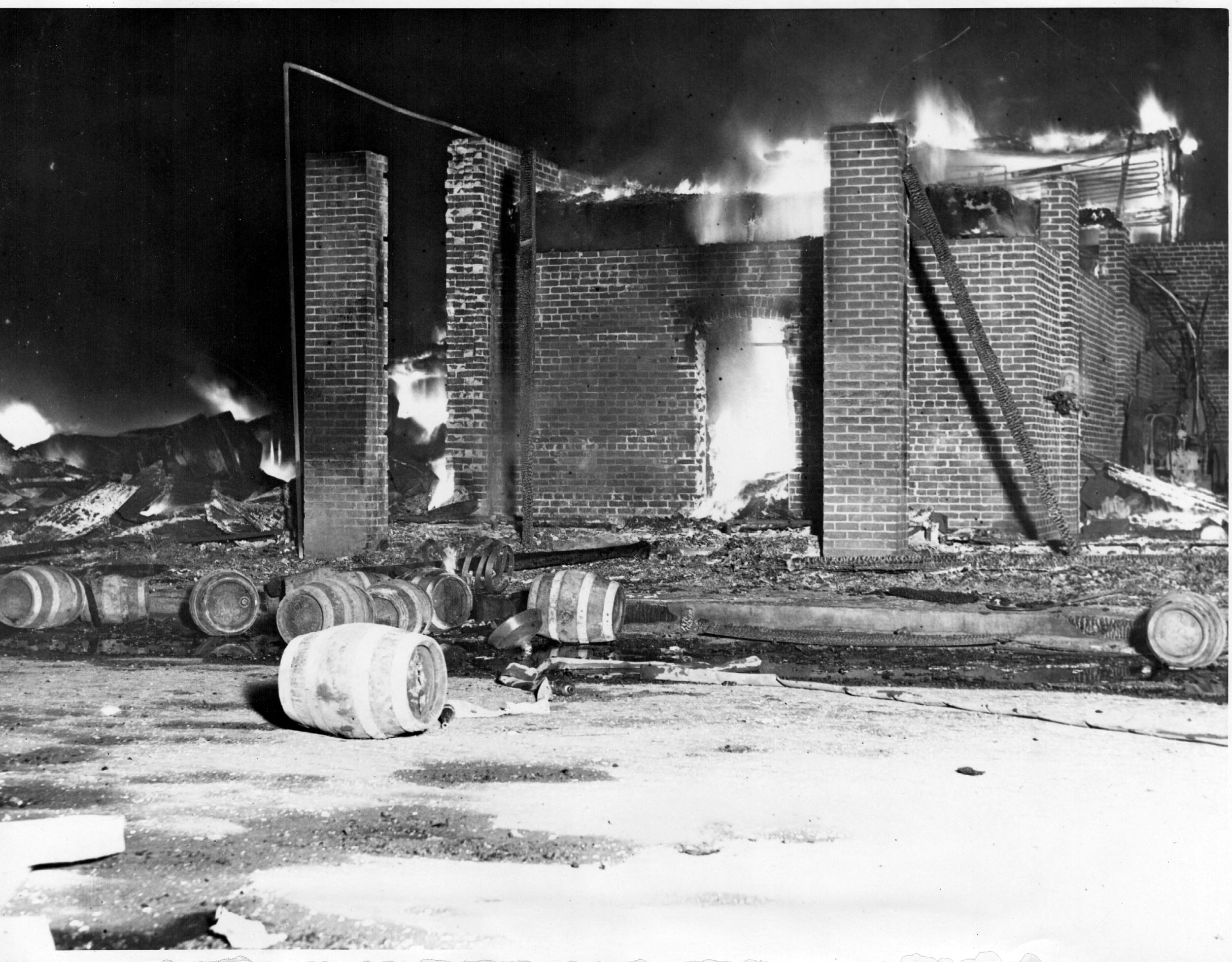
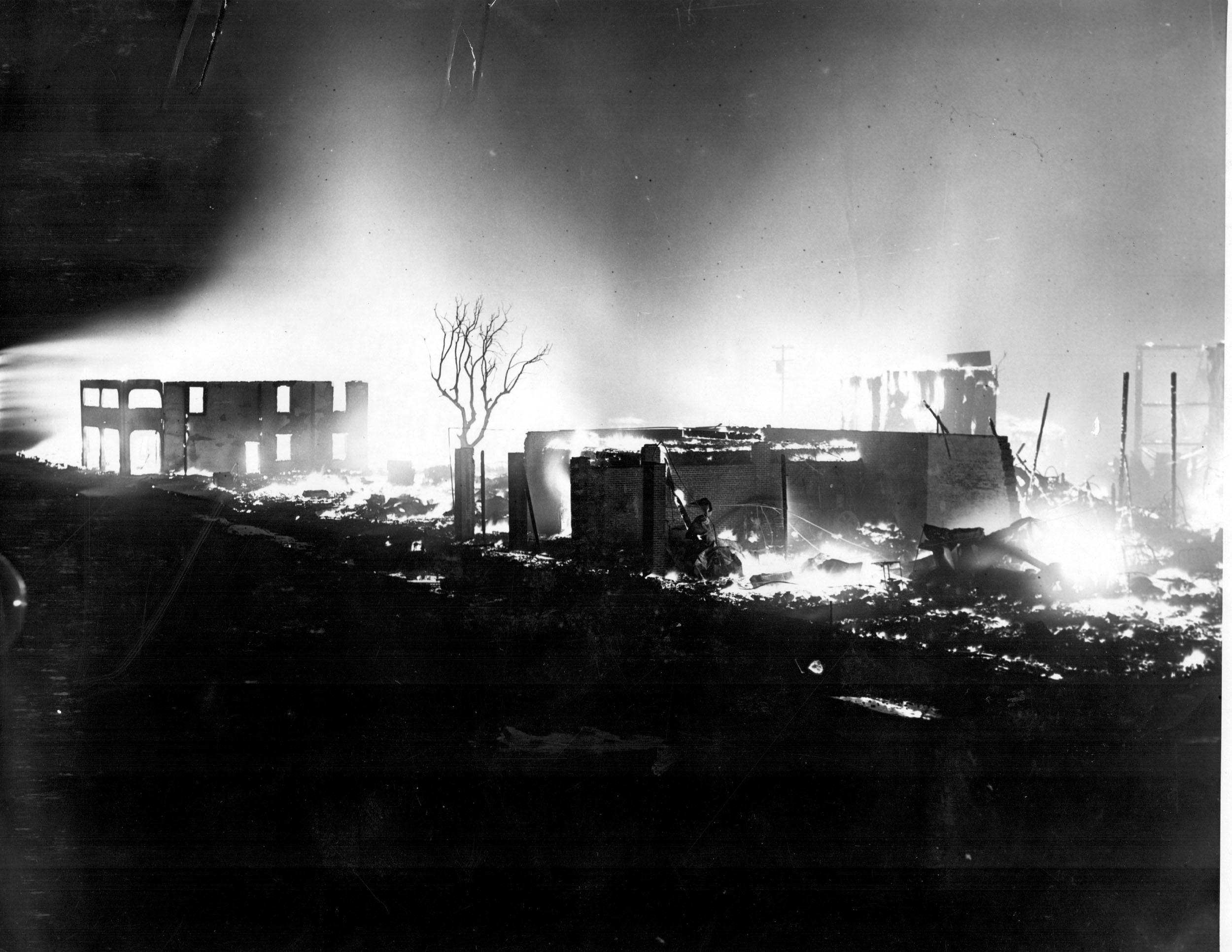
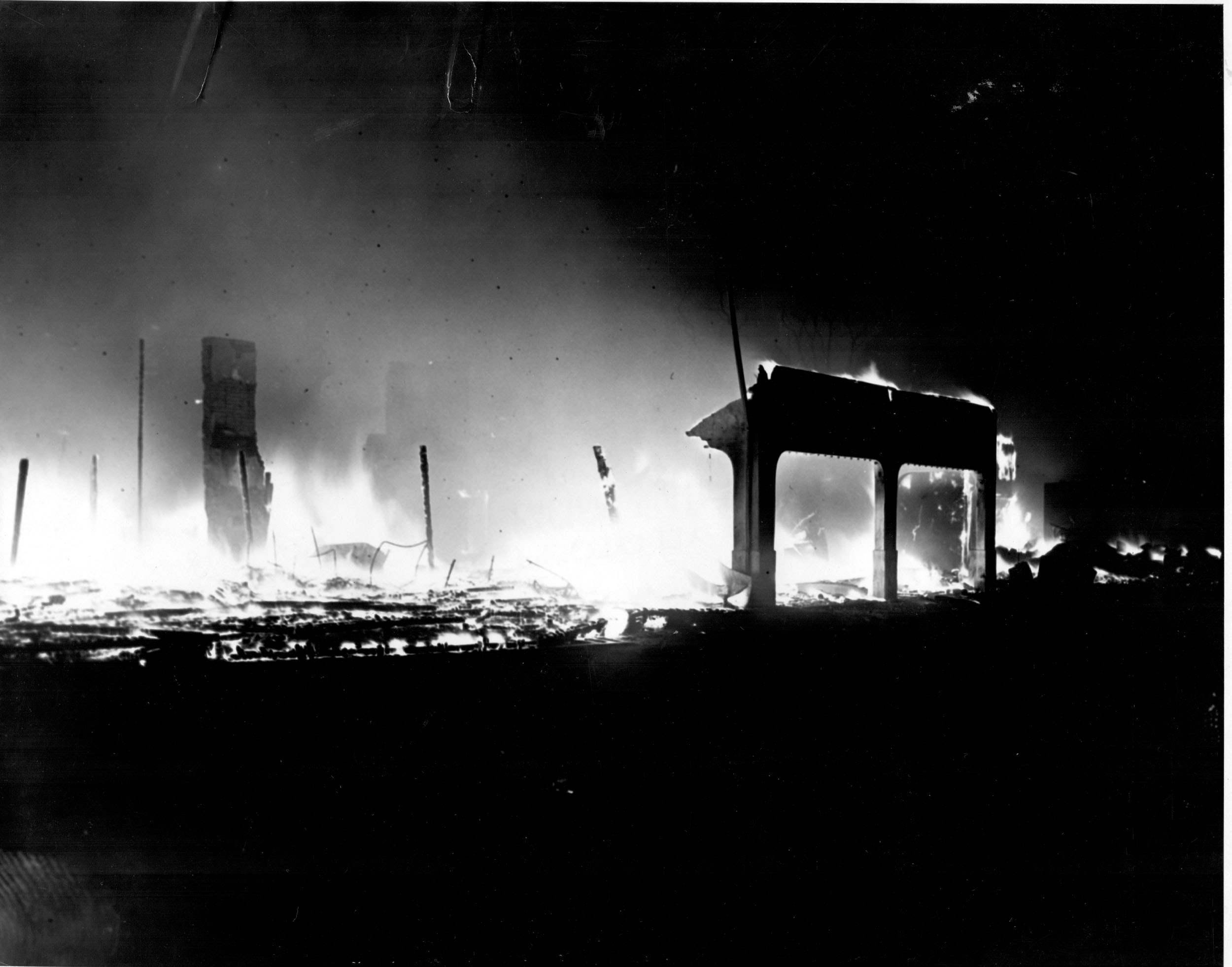
The warning, “Amigo, you better stop taking pictures” – his belief the guy was kidding – the jailer slamming the cell door and saying “that was the chief himself” – the five other men in the cell looking him over, assessing their chances – positioning himself with his back to the wall – tightening his grip on his gear bag – swinging it back and forth to show he would put up a fight – watching them slowly approach – the leader extending his hand, snapping his fingers, making it clear: hand over your wallet, Amigo, and maybe you won’t get hurt –
Then, the click of a bolt action rifle – the would-be assailants scurrying back to a corner – and there, outside the cell, next to a cop with a rifle, San Diego Fire Chief Louis Almgren, expressing his indignation at the treatment accorded his friend, a respected newspaperman, and demanding his instant release….
Almgren had brought his firemen across the border to save what remained of the town, and when he’d heard of Harry’s arrest, had hastened to jail to free him. A wonderful friend, chief Almgren.
It had been back to the darkroom then; producing the prints for the next edition, and printing more for his photo service. The Los Angeles office had asked for forty-five sets of four pictures each to send across the country. That meant a bonus for Harry and a very long night. In the story that followed no mention was made of his arrest. Chief Almgren was given credit for taking his firemen across the border as he was empowered to do when a fire was out of control. As this one had been that November night in 1923….
* * *
Now, three years later, having found the federal compound where the prisoner was being held, he’d ask the authorities to trot out the chief, and, surprised and not suspecting the fuss that would follow, they had responded.
One shot was enough, but he had to know: did the chief remember? He thanked him politely and asked if he could take another. Chief Llanos nodded his head and, with the hint of a smile said:
“Of course – always one more, is it not?”
The steady, unflinching gaze told Harry the chief would not acknowledge the prior meeting. Understanding this, Harry held no grudge. He almost felt compassion as the chief was hustled back to his cell.
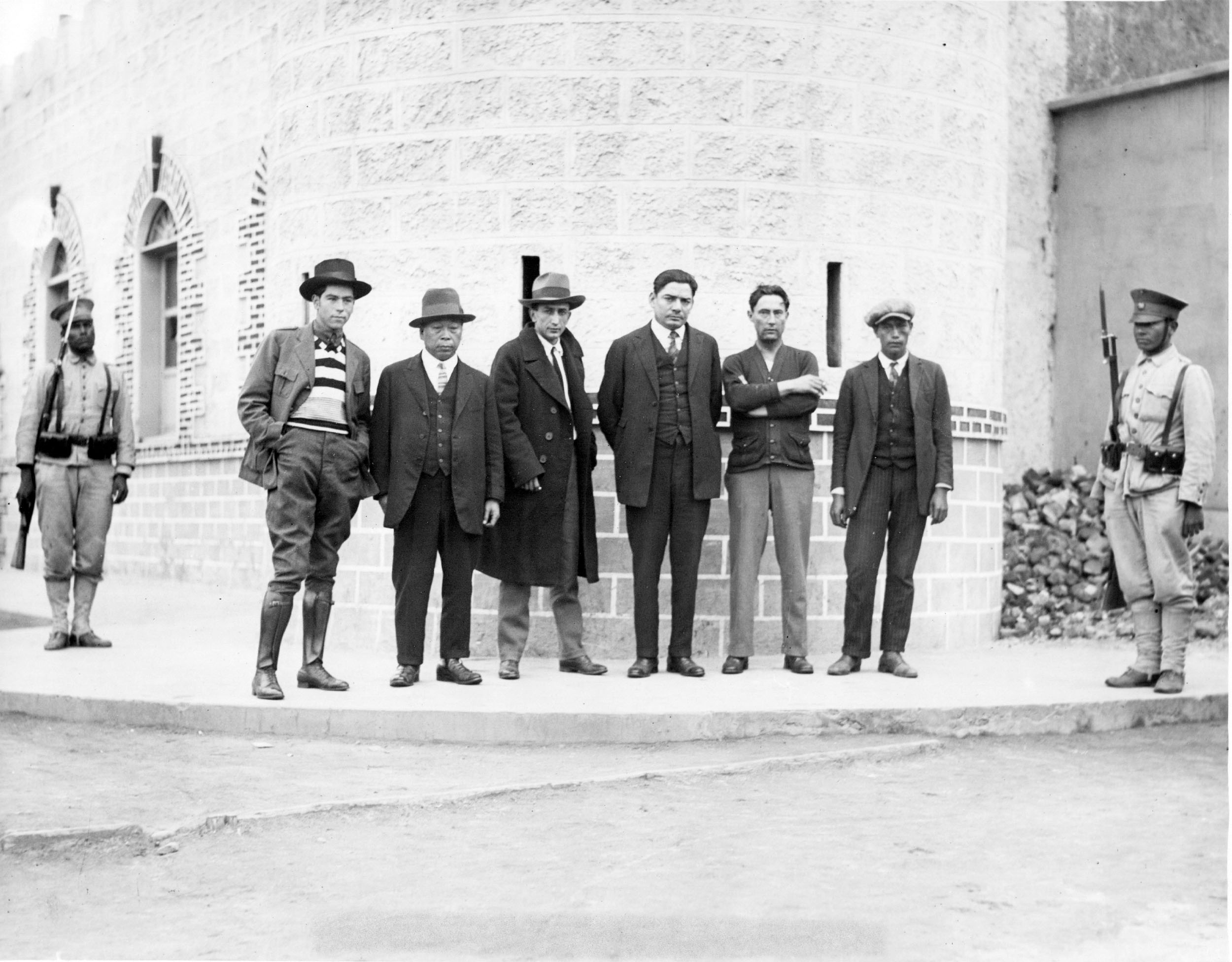
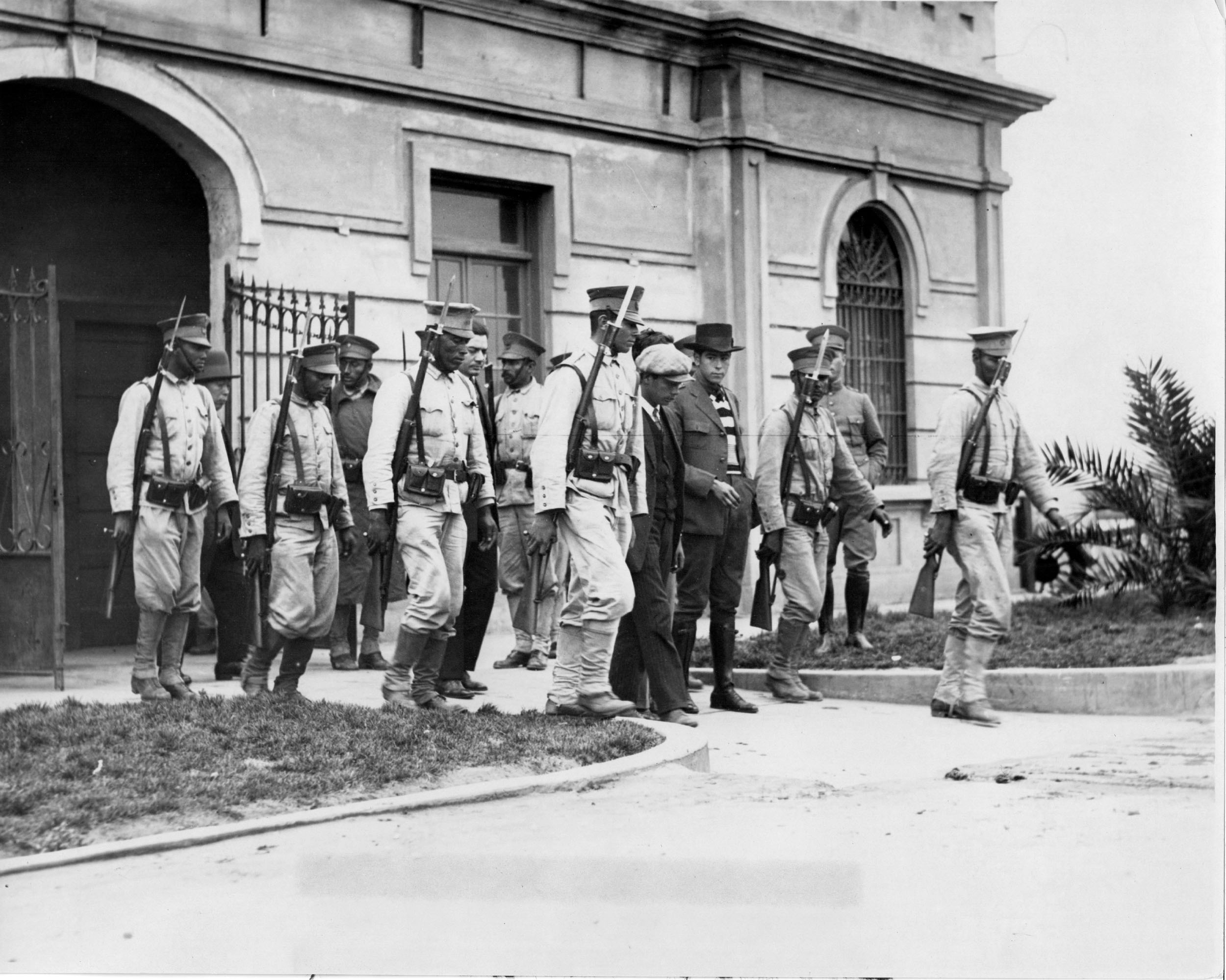
At Harry’s request the other prisoners were marched into the bright sunlight, accompanied by soldiers armed with rifles and bayonets. They were arranged in a line with their backs to a wall, a position that caused cries of alarm from the group until Harry stepped forward and raised his camera to indicate they were going to be photographed, not executed – at least not yet.
Before he left Tijuana he took pictures of every official likely to have had something to do with the case. He photographed the Oakland Bar and the hotel as well. The front page stories in San Diego attracted attention nationwide, but some of the papers on the West Coast did not subscribe to the photo service Harry represented and could not use his pictures. Photographers from those newspapers journeyed to Tijuana rather late in the game for pictures of the suspects and were turned away by officials who by then had had a vow of silence imposed on them by higher authority.
News teams from national chain newspapers in Los Angeles offered to pay Harry – fifty dollars, he said – for a set of copy prints and when he declined, they searched the newspaper’s trash cans for throwaway prints.
“News photography was in its infancy,” Harry said later. “The competition on breaking stories was fierce because good, same day action shots were hard to get. The technology just wasn’t there.”
Tijuana’s image was further damaged as the story and photographs were given prominent display. Demands to close the border increased. The governor of Baja California and the mayor of Tijuana defended the city and blamed Los Angeles newspapers for what they called unfair attacks they attributed to jealousy of San Diego’s increasing share of the tourist trade.
They said they had acted quickly in arresting the police chief and the owner of the bar and had made them implicate five others – all faced charges. In addition, they said, they had closed down many of the city’s saloons and deported many “undesirable people,” meaning unlicensed prostitutes. Now, the governor said, because of the unfriendliness of the California neighbors he would take drastic action; he would ask the President of Mexico to close the border to Americans. “Americans can stay home,” he said.
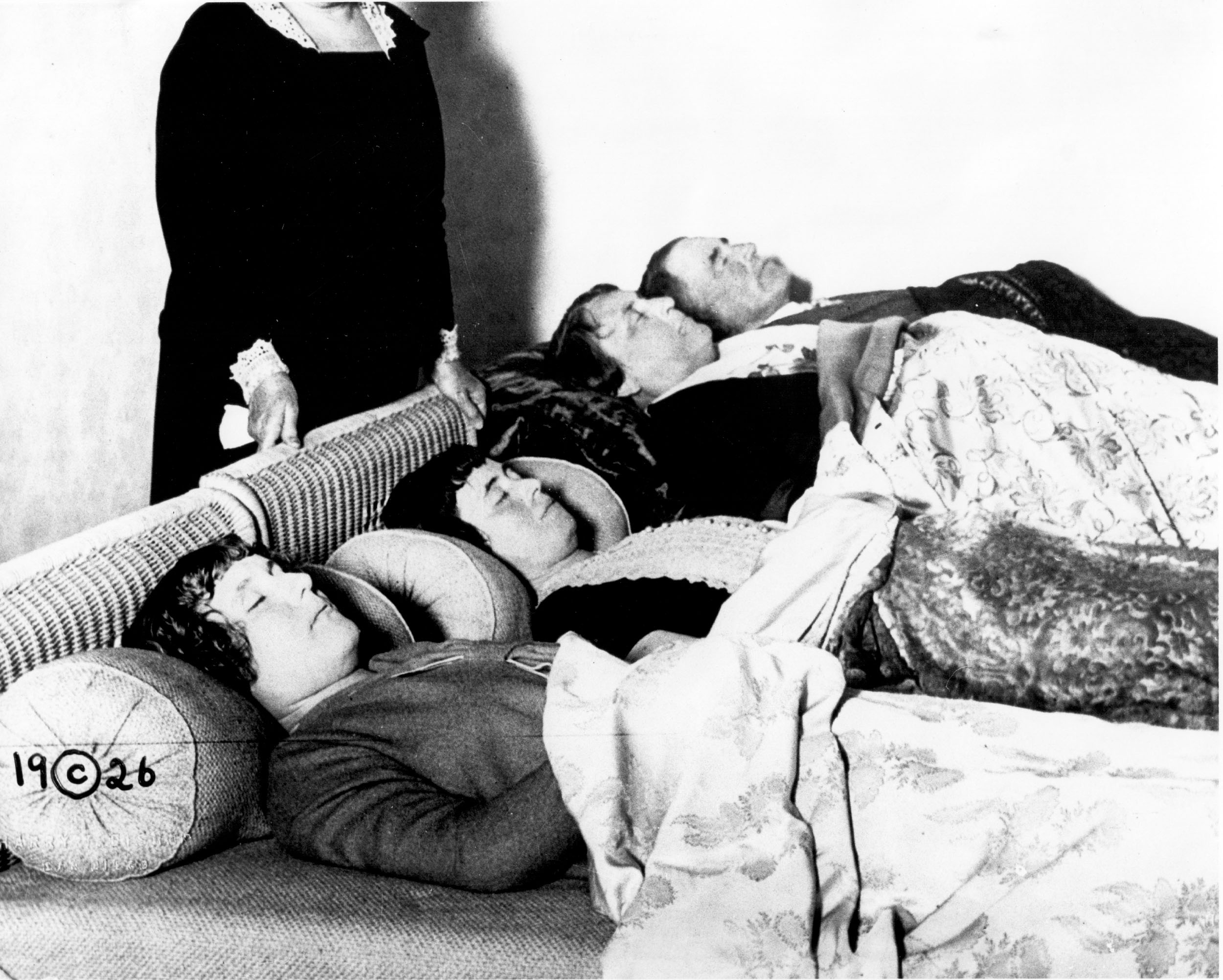
But it was U.S. officials who took action – and the action was far from drastic. The order came from the U.S. Treasury Department: Close the border at 6 p.m. instead of 9 p.m. Harry, at the insistence of the city desk, returned to the border to get a picture that would represent the earlier closing time. When he found no notice posted, he painted his own on a piece of cardboard and posed two customs service agents attaching it to the gate. He didn’t have to tell the editors the picture had been contrived; it was so painfully obvious the editors tossed it aside. But for the second time in the “Shame Suicides” story, Harry’s photo service distributed a questionable picture, and some papers published it. One of his pictures – the family of four stretched out on couches placed by side by an accommodating mortician – slipped beneath his standard for taste, and though his photo service distributed the picture and many papers used it, the local editors tossed it back, a decision Harry endorsed.
The fake picture marked the end of the affair. In a matter of days, the ban was lifted, the old hours reestablished, and things went back to normal. Five months later, Llanos and three others were found not guilty in a Mexican courtroom, mostly due to lack of evidence (since the Peteets were dead) and witnesses who cast aspersions on the character of the Peteet family. Many in the U.S. called the trial a sham.
When the U.S. Congress repealed the 18th Amendment in 1933 Tijuana, realizing it could no longer depend solely on boozers from north of the border to sustain its economy, began a long, slow process to establish itself as a legitimate tourist mecca and thriving industrial center. And this it did – to a certain extent – while retaining the flare (and a bit of the sin) that had made it such an attraction.